
How to Navigate Financial Choices as a Freelancer in Australia

Understanding Freelance Finances
Navigating the financial landscape as a freelancer in Australia can seem daunting, especially when you're more at home designing sleek interfaces than deciphering banking jargon. A foundational step to mastering your finances is to understand where your income is coming from. As a freelance UX Designer, it's crucial to identify consistent and potential income streams, which could range from long-term contracts with tech startups to quick gigs with design studios in Collingwood. Understanding this will help you maintain a steady cash flow and budget wisely.
Identifying Income Sources
Your freelance career is likely to offer a variety of income, from set projects to more fluid engagements. This can include:
-
Contractual Projects: Longer-term gigs with repeat clients.
-
Ad-hoc Projects: Short-term projects that pop up unexpectedly.
-
Workshops or Lectures: Occasional teaching or speaking engagements at meet-ups or events, like those held at Melbourne's Federation Square.
Managing Irregular Income
Fluctuating income is typical in freelancing but doesn’t have to be stressful. It’s essential to implement a smart budgeting plan, setting aside a portion of each payment for taxes and another for savings. This could be facilitated by opening a separate bank account specifically for your business expenses, which can simplify finance tracking and help avoid mixing personal with professional spends.
Planning Expenses Wisely
Using creative budgeting techniques can help you manage your expenses without compromising on flexibility or creativity. Having a high yield savings account can also keep your extra cash growing, providing a buffer for leaner times. Dropping by creative cafes in Fitzroy can offer changes in your work environment without impacting your budget too much.
These strategic steps can transform how you handle finances, making the whole process feel as intuitive as your design work and keeping those fears of financial instability at bay.
Essential Financial Tools
Setting Up a Business Account
As a freelance UX Designer, organising your finances is crucial to managing your business efficiently. Setting up a dedicated business account is a great first step. This account can separate your personal and business finances, making it easier to manage income and expenses. When selecting a business account, focus on features that matter most to you, like low fees or accessibility. For someone who frequents tech meet-ups and creative spaces like Melbourne's Federation Square, having an account that offers flexible transactions can be a real boon. Plus, it reduces the headache during tax time, keeping everything in its neat digital lane.
Choosing Digital Payment Methods
Digital payment methods are a freelancer's best friend. They streamline transactions with clients and help you get paid faster. Whether you're connecting with clients from a cozy café in Fitzroy or a buzzing design studio in Collingwood, digital payments offer the flexibility that aligns perfectly with your work style. Using platforms or services that have seamless interface and connectivity options could greatly enhance your business dealings by saving time and reducing hassle.
Tracking Finances Efficiently
Finally, no freelancer's toolkit is complete without an efficient financial tracking method. Fortunately, many apps today can sync directly with your bank and show you all your transactions. They can provide insights into your spending patterns, helping you optimise expenses. For example, you might want to compare term deposit rates for future savings or explore transaction accounts that align with your financial strategy. Leverages such tools can empower your creative pursuits by giving you peace of mind about your finances, leaving you free to focus on the next exciting project.
Savings and Investments
Exploring High-Interest Savings
As a freelancer, making sure my hard-earned cash grows is vital. But I don't just shove it under the metaphorical mattress; I need interest to add its magic touch. High-interest savings accounts have become necessary for people like me, aiming to grow their fund without much fuss. With these accounts, I get a higher interest rate compared to regular savings accounts. It’s like sipping a premium coffee at a creative cafe in Fitzroy instead of grabbing a basic takeaway.
To find the right fit, I often take time to compare savings accounts to ensure I'm not missing out on higher returns. Factors like introductory rates, fees, and terms can make a significant difference. Although offers can vary, the goal is to balance accessibility with a competitive rate. For instance, look for accounts that let you access funds without penalties, paired with a decent interest rate.
Understanding Term Deposits
When I’m looking to park my funds for a bit and prefer stability over flexibility, term deposits come into play. These accounts provide a fixed interest rate for a specified period, which could be a few months to several years. It's like reserving a dedicated space to showcase my latest designs in a cool studio in Collingwood rather than freelancing them out sporadically.
The certainty of returns is a big draw, and as I map out my financial future, a term deposit serves as a solid anchor. Before diving in, it's wise to compare bank accounts for the best term deposit offerings. Key elements include the lock-in period and early withdrawal conditions, ensuring they align with my financial goals and cash flow preferences.
By making these informed decisions around savings and term deposits, I aim to strike a balance, keeping my funds accessible when needed while optimising for growth.
Taxation for Freelancers
Understanding Tax Obligations
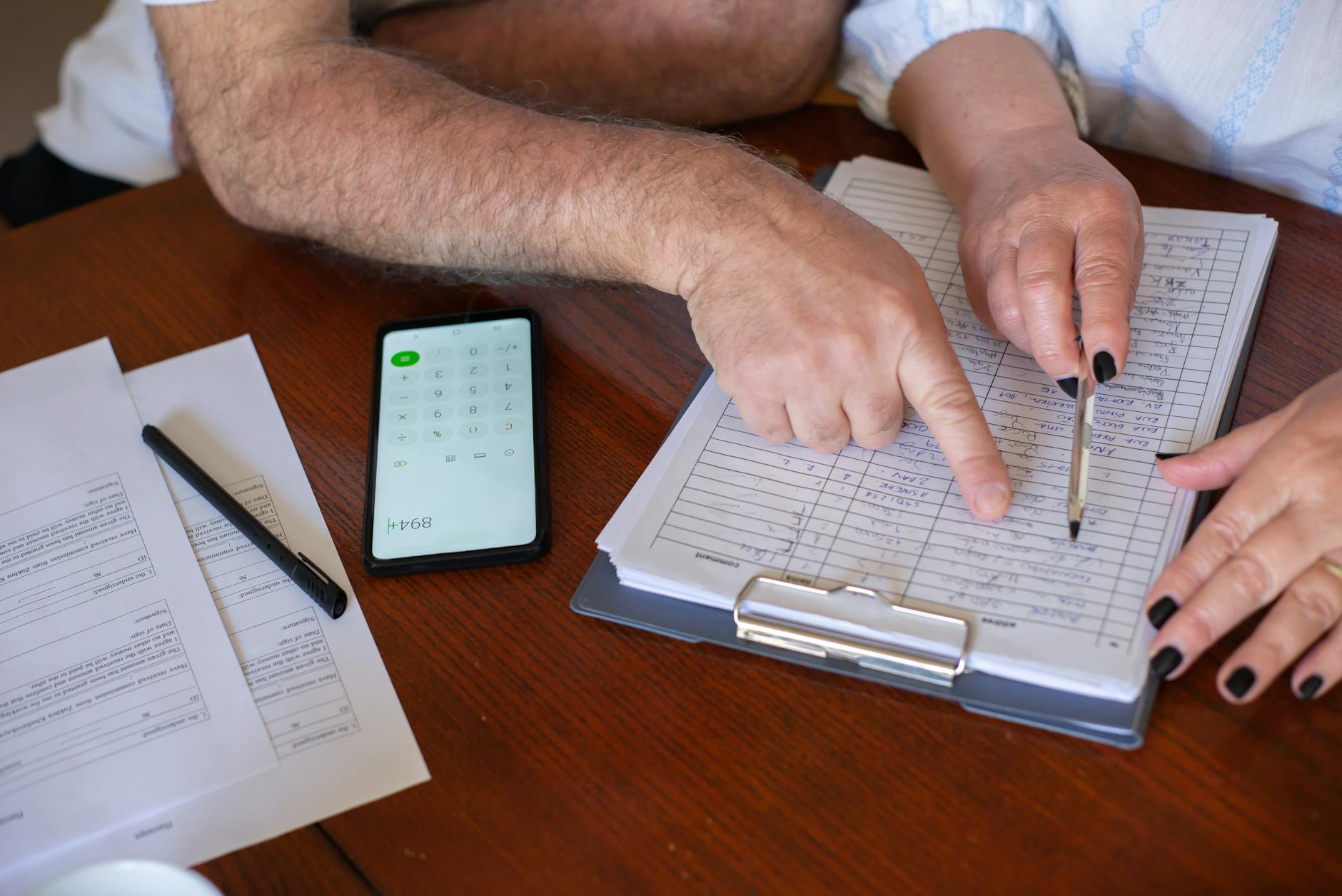
Navigating tax obligations can feel like deciphering a complex design brief, but it's a crucial part of freelancing in Australia. As a freelancer, you're responsible for managing your own taxes, which can be confusing if you're new to it. Start by registering for an Australian Business Number (ABN), as it's essential for invoicing clients and declaring your earnings. Keep a meticulous record of your income and expenses, as this will help you determine your taxable income accurately. Remember, while your income might fluctuate, tax obligations remain consistent, needing precise calculation.
Maximizing Tax Deductions
Maximizing tax deductions can free up some of your earnings—imagine it as finding a sweet extra layer in your income. Expenses such as software subscriptions, design tools, or even your home office setup could qualify as deductions. Document these expenses throughout the year with photos of receipts or digital logs, making tax time less daunting. Consider setting aside a dedicated bank account, like a savings account or even a bonus saver account, for tax-related expenses, making the end-of-financial-year process smoother.
Utilizing Tax Advisors
Don’t hesitate to consult with a tax advisor, especially if terms like GST and BAS sound unfamiliar. They simplify the complex maze of taxation, showing you strategies tailored to freelance work. A knowledgeable advisor can guide you in optimising your deductions and managing obligations. By focusing on the creative work you love and letting experts handle the complex tax details, you can thrive in Melbourne's dynamic freelance scene while striking the right balance with financial savvy.
Smart Financial Hacks for Freelancers
Creative Budgeting Techniques
In the hustle and bustle of freelance life, especially around vibrant spots like Collingwood’s design studios, it's crucial to keep a mindful approach to budgeting. The key is to establish a monthly budget. List your essential expenses like rent, utilities, and those inevitable morning coffees at your favorite Fitzroy café. Embrace tools like budgeting apps that sync to your business account, so you can easily track spending and savings without getting lost in the numbers. This way, each dollar works hard for you, just like in one of those tech meet-ups at Melbourne's Federation Square.
Adopt Flexible Income Strategies
Freelancers often juggle different projects simultaneously, akin to switching between digital payment methods to accommodate various clients. Consider diversifying your income sources to buffer against leaner months. This might involve taking on short-term contracts, selling your designs on platforms, or even teaching a workshop at a local studio. By expanding your skill set and revenue streams, you ensure that your creative career remains as resilient as your imagination.
Keep an Eye on Financial Growth
Don’t put all your creative eggs in one basket. As you dive into your fabulous freelance career, eye the bigger picture with a long-term view on your finances. Explore investment opportunities that align with your risk tolerance and financial goals. Whether it’s through high-interest savings accounts, term deposits, or even dabbling in the world of digital assets, the aim is to make your money buzz like the graphic design trends showcased in your local scene. Remember, with diligent management, navigating the financial landscape becomes less daunting and more of an exciting journey through your creative life.